Why Playing It Safe Is the Real Risk for Your Art
🎨 Why Playing It Safe Is the Real Risk for Your Art 🎨
As creatives in our twenties and early thirties, it is natural to want security and stability in both life and art. Playing it safe often feels comfortable because it avoids failure, criticism, or uncertainty. However, constantly staying within your comfort zone can quietly undermine growth, creativity, and personal fulfillment. Ironically, the real risk is not in experimenting or failing but in stagnating and never testing your boundaries.
The first step to embracing risk is recognizing the patterns that hold you back. Are you repeating the same styles, themes, or techniques because they feel safe? Are you avoiding projects that challenge your skills or push your comfort level? Awareness of these habits allows you to identify where risk-taking is needed. Growth emerges from stepping into discomfort, exploring new directions, and confronting uncertainty.
Another critical aspect is reframing failure. Risk inevitably comes with the possibility of mistakes or outcomes that do not meet expectations. Viewing these moments as learning opportunities rather than setbacks transforms fear into motivation. Every perceived failure offers insight, teaches resilience, and informs future projects. Bold risk-taking encourages innovation, deepens artistic skill, and strengthens creative confidence.
Risk-taking also expands your creative voice. When you explore new mediums, unconventional concepts, or unfamiliar themes, you challenge your thinking and push boundaries. This exploration keeps your work fresh, exciting, and authentic. Audiences often connect more deeply with art that demonstrates curiosity, vulnerability, and courage rather than repetitive, predictable work.
Collaboration is another way to take creative risks safely. Working with other artists, mentors, or peers exposes you to new perspectives, techniques, and ideas. Collaborative experimentation encourages pushing boundaries without the pressure of complete ownership. It also builds community support and offers constructive feedback, which can boost confidence when stepping into uncharted creative territory.
It is also essential to create a mindset that embraces uncertainty. Risk-taking involves venturing into unknown areas where the outcome is not guaranteed. Practicing mindfulness, journaling about fears, or engaging in creative exercises can help you build resilience and stay focused. The more comfortable you become with uncertainty, the more freely your creativity can flow.
Another approach is to set small, intentional challenges that push your limits. Try a new medium, tackle a difficult subject, or complete a project in an unfamiliar style. These mini-experiments allow you to build courage gradually while minimizing overwhelming pressure. Over time, these small risks accumulate, leading to significant growth and transformation in your creative practice.
Reflection is equally important. After taking a risk, consider what you learned, how it made you feel, and how it affects your creative process. Documenting successes, failures, and surprises provides insight into your growth trajectory and builds confidence for future experimentation. Reflection also reinforces the understanding that risk-taking is an integral part of sustainable creative development.
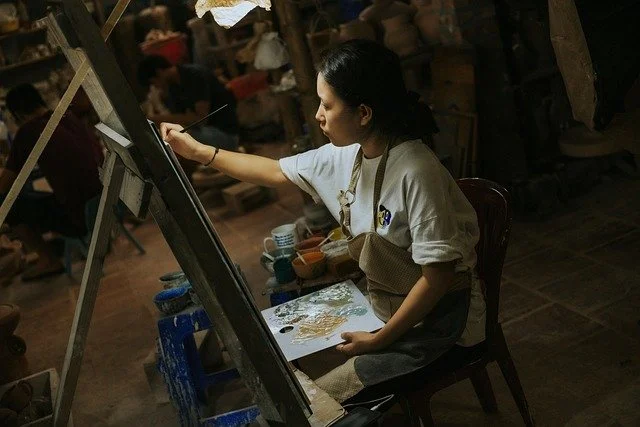
Finally, remember that playing it safe may feel comfortable but it limits your potential. Boldness in creativity is not about recklessness; it is about curiosity, courage, and authenticity. By embracing risk, experimenting fearlessly, and learning from every attempt, you unlock new dimensions of your art and deepen your connection to your creative voice.