Inspiration Will Come When It Wants, Not When You Force It
🎨 Inspiration Will Come When It Wants, Not When You Force It 🎨
Creatives in their twenties and early thirties often feel the pressure to constantly produce, meet deadlines, or create content that aligns with personal or professional goals. This pressure can make inspiration feel like a ticking clock, leaving you frustrated when ideas do not flow on demand. One of the most important lessons in maintaining sustainable creativity is understanding that inspiration cannot be forced; it arrives in its own time, and trying to coerce it often leads to frustration and burnout.
The first step is accepting that creative ideas are organic. Inspiration is influenced by experiences, emotions, environment, and energy levels. Pushing yourself to create when you are mentally or physically drained rarely produces meaningful work. By respecting your natural rhythms and acknowledging the ebb and flow of creative energy, you create a healthier relationship with your craft and allow genuine inspiration to emerge.

Patience is essential. Understanding that moments of inspiration may not align with schedules or expectations helps reduce anxiety and guilt. Rather than forcing output, engage in practices that nurture creativity: journaling, observing your surroundings, exploring new environments, or meditating. These activities prime the mind for inspiration without demanding immediate results.
Another effective approach is to create a flexible framework. Outline projects or themes but allow room for spontaneity. By preparing tools, materials, and ideas in advance, you can quickly act when inspiration strikes. This approach balances structure and freedom, ensuring that you are ready to capture creativity while avoiding the frustration of forced work.

It is also helpful to observe patterns in your creative energy. Some people find inspiration flows in the morning, while others are energized in the evening. Tracking your most productive times allows you to align tasks with natural peaks, increasing the likelihood of capturing authentic creative moments. Recognizing personal rhythms reduces the pressure to produce at arbitrary times and improves both quality and satisfaction.
Collaborative or community experiences can also stimulate inspiration. Engaging with other creatives, sharing ideas, or participating in workshops can spark new perspectives and motivate action. However, the key is to participate without the expectation that these interactions will automatically generate finished work. Inspiration often manifests subtly, and allowing space for reflection after engagement maximizes its impact.
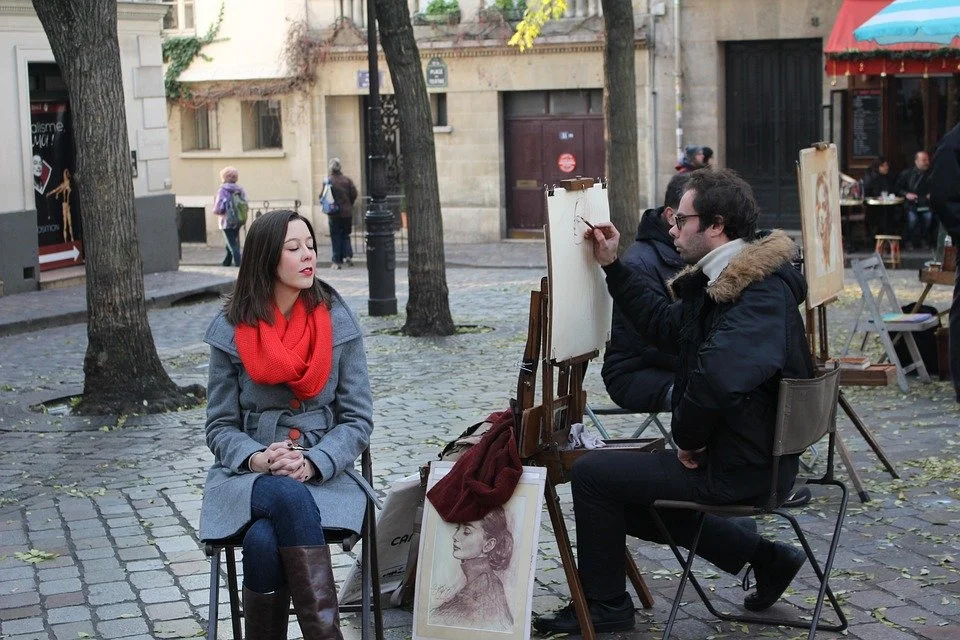
Inspiration often arrives in unexpected ways. Exposure to music, nature, books, or everyday experiences can trigger insights or ideas at surprising moments. Remaining open, curious, and observant ensures that you recognize these sparks when they occur. Carrying a notebook, recording voice memos, or snapping quick photos can help capture fleeting ideas before they fade.
It is also crucial to manage expectations. Not every moment will yield a groundbreaking concept or masterpiece. Allowing yourself to create small, experimental, or unfinished pieces without judgment keeps the creative process fluid and enjoyable. These smaller exercises often act as stepping stones for larger, inspired work.
Finally, trust the process. Forcing inspiration can create tension, reduce creativity, and foster frustration. By embracing patience, nurturing curiosity, and preparing to capture ideas when they emerge naturally, you cultivate a creative practice that is sustainable, joyful, and aligned with your unique rhythms. Remember, inspiration is not a resource to be extracted on demand; it is a guest that arrives when conditions are right.